



Modern digital problems demand digital solutions that are easy to use, reliable, and designed for real-world behavior.
Digital platforms—such as social media, video services, and news feeds—generate revenue primarily by maximizing the amount of time and engagement users spend interacting with their content. These systems are engineered to encourage prolonged use, which can influence attention, behavior, and emotional states.
Modern digital problems demand digital solutions that are easy to use, reliable, and designed for real-world behavior.
Digital platforms—such as social media, video services, and news feeds—generate revenue primarily by maximizing the amount of time and engagement users spend interacting with their content. These systems are engineered to encourage prolonged use, which can influence attention, behavior, and emotional states.
The attention economy and the spread of memetic disease are emerging forces driving significant challenges in mental health, attention, and social stability. These pressures are increasingly associated with sleep disruption, heightened inflammatory signaling, and a growing range of downstream health consequences.
It is therefore not surprising that nearly two-thirds of Generation Z—a cohort of about 70 million people in the United States and roughly 2.5 billion globally—report actively trying to unplug from their phones. This trend creates a substantial opportunity for technologies that enable intentional and healthier control of smartphone use.
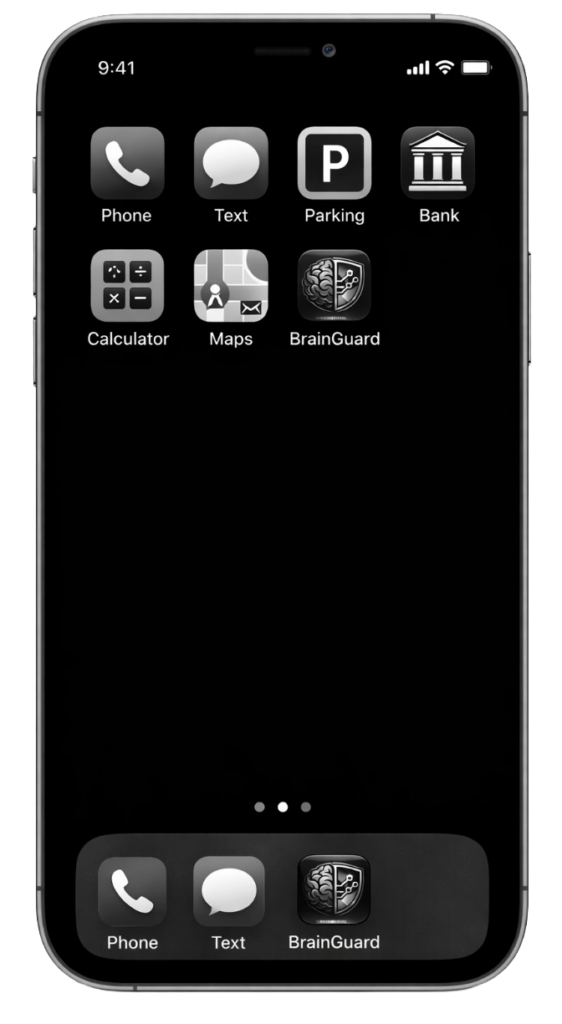
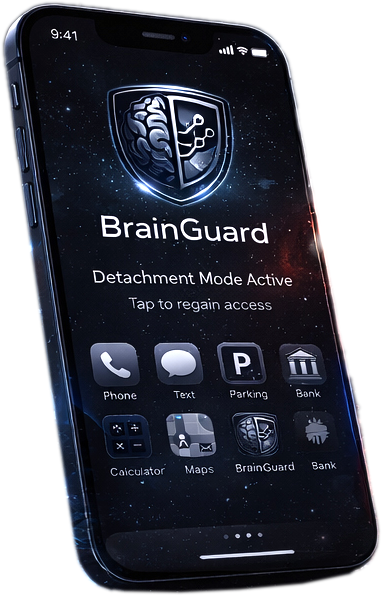
Phone Bricking introduces a behavioral intervention layer between the user and their device.
Several products attempt to limit smartphone distraction.
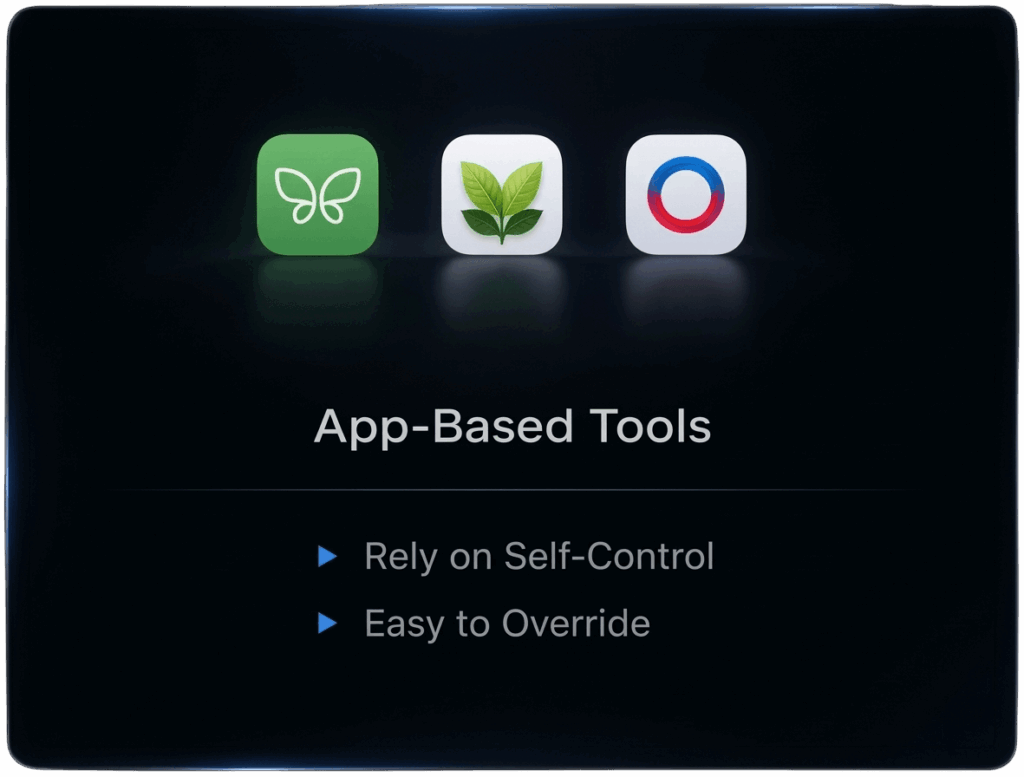
Tools such as Freedom, Forest, and Opal allow users to set usage limits or temporarily block distracting apps. However, these systems rely largely on self-control and can usually be overridden with minimal effort.
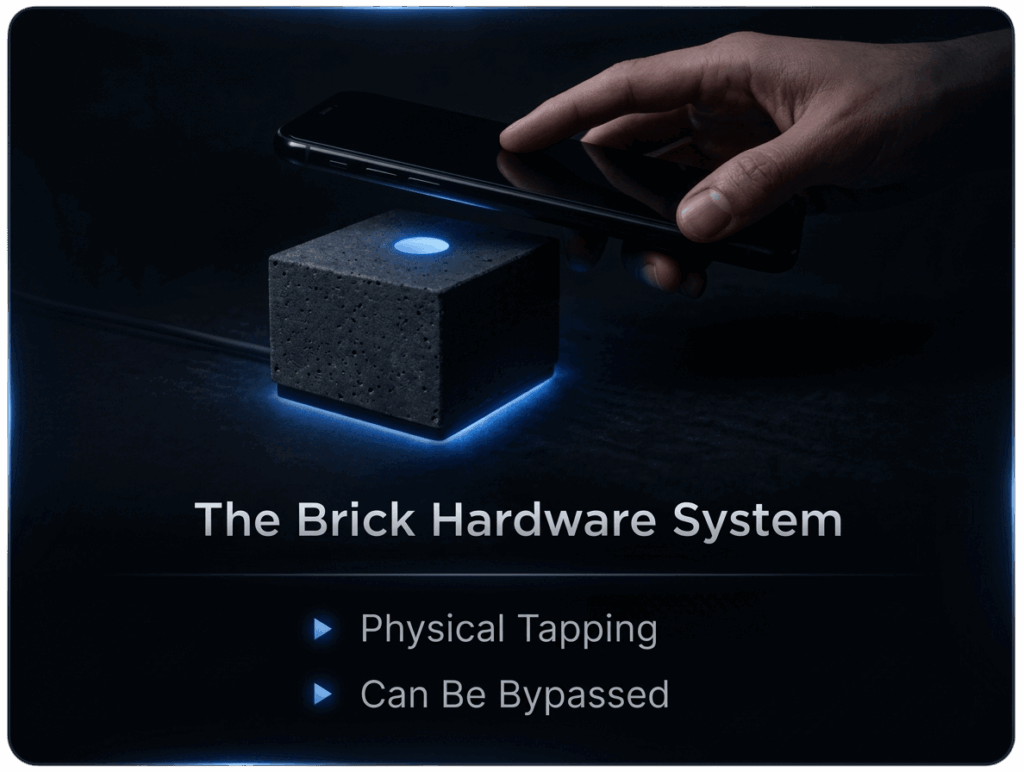
The Brick hardware system introduces a small device that users tap with their phone to activate a mode that blocks selected apps and notifications. Unlocking requires tapping the device again, creating physical friction that discourages impulsive use—though bypass remains technically possible.
Our platform offers a unique solution that does not rely on external hardware and incorporates a proprietary approach designed to make bypassing restrictions significantly more difficult.
Unlike existing tools that depend on user willpower or physical devices, our system uses software-based mechanisms that are far harder to override. The result is a more reliable way to manage smartphone use and reduce digital distraction.
To learn more, contact us here.
Dr. Lipov has already received media attention and is currently in discussions with TEDx to present a talk on phone bricking and the biological impact of memetic disease.
He is also currently writing a book focused on memetic disease and its biological effects.
In addition, our media expert will support beta testing and guide early promotion, social media strategy, and user engagement initiatives.
Physician and researcher exploring the biological consequences of chronic stress and digital exposure. Dr. Lipov has presented research at the American Psychiatric Association, including work exploring the use of Tetris-based interventions for PTSD.
Experienced developers specializing in scalable mobile platforms and behavioral technology.
A specialist in the behavioral dynamics and unintended consequences of modern attention platforms.
We are building a platform designed to help people regain control of their attention in an era shaped by the exploitation of the attention economy and the spread of memetic disease.
We are not anti-technology.
We are pro-safe technology—focused on helping people live productively with digital tools without being harmed by them.
If you would like to participate in the project, choose the option that best fits your interest.
We are currently speaking with a small number of early investors interested in supporting the development of a new category of technology.
If you would like to learn more about the technology, roadmap, and investment opportunity, we would welcome a conversation.
We are preparing a limited beta release and are looking for early users willing to test the platform and provide feedback.
Beta participants will:
Spots for beta testing will be limited.
If you would like to be notified when the app becomes publicly available, join our launch list.
Subscribers will receive: